Electric Oven and Cooktop Repairs in Highland Park
ISB Electrical provides professional oven and cooktop repairs in Highland Park for homeowners, families, landlords and rental property managers. We diagnose and repair electric wall ovens, fan-forced ovens, multifunction ovens, ceramic cooktops, induction cooktops and freestanding electric stoves.
Highland Park is an established residential area of the central Gold Coast, close to Nerang, with family homes, elevated properties and modernised kitchens. Homes around Alexander Drive, Armstrong Way and the surrounding streets contain a mixture of conventional electric cooking appliances and newer built-in systems with electronic temperature control.
When a cooking appliance becomes unreliable, identifying the failed component is important. A heating element, switch, thermostat, terminal connection or electronic controller may cause similar symptoms, but the appropriate repair depends on the exact fault rather than simply the appliance's age.
Professional Electric Cooking Appliance Fault Diagnosis
Our diagnostic process considers the appliance's symptoms, model information and operating modes. For example, an oven that heats on grill but not fan-forced requires investigation of different components from an oven that loses all electrical power.
Depending on the design, we assess heating elements, thermostats, temperature sensors, fans, function selector switches, energy regulators, internal wiring, terminal blocks, relays and control modules. The findings help establish whether repair is practical and what replacement components are required.
Common Oven and Cooktop Faults in Highland Park
- Electric oven not heating
- Oven heating only on grill mode
- Fan-forced oven blowing cold air
- Oven temperature higher than selected
- Oven taking too long to preheat
- Circulation fan noisy or seized
- Digital timer or selector switch failure
- Oven door seal or hinge problems
- Ceramic hotplate not heating
- Hotplate stuck on maximum heat
- Induction cooktop not detecting cookware
- One or two induction zones not working
- Cooktop touch controls unresponsive
- Induction cooktop displaying error codes
- Burnt wiring or terminal connections
- Oven or cooktop tripping the RCD
Electric Oven Not Heating in Highland Park
An electric oven may have a working clock, internal lamp and circulation fan while failing to generate heat. In a fan-forced model, a failed circular element is a possible cause, but an open-circuit thermostat, selector switch or control relay can produce similar symptoms.
We test the heating element and associated electrical supply to determine whether the element itself needs replacing or whether a separate control component is preventing normal operation.
Oven Not Reaching the Correct Temperature
Incorrect oven temperatures can affect baking, roasting and general cooking. An oven may heat too slowly, repeatedly overshoot its selected temperature or struggle to maintain a stable temperature during operation.
Potential causes include faulty temperature sensors, thermostats, heating elements, circulation fans and electronic controllers. A poorly closing oven door can also result in heat escaping from the cavity.
The correct diagnosis involves considering the temperature-control system, heating functions and physical condition of the oven.
Fan-Forced Oven and Grill Circuit Repairs
Many ovens have separate heating circuits for fan-forced cooking, conventional baking and grilling. This means one function can fail while another continues operating.
If the grill heats normally but the fan-forced setting remains cold, testing may reveal a defective fan-forced element, selector contact, electronic relay or damaged electrical connection. Checking each mode separately helps narrow the cause.
Oven Control Board and Digital Timer Faults
Electronic ovens use digital timers and control boards to coordinate heating functions. Some models will not heat until their clock is set correctly following a power interruption, while others can develop genuine electronic control faults.
A blank display, an unresponsive control panel or an oven that fails to energise its elements may require investigation of the incoming supply, control board, thermostat circuit and associated connectors.
Because electronic boards can be expensive, we consider other electrical causes before recommending a replacement module.
Oven Overheating and Thermal Protection Problems
An oven overheating beyond its selected temperature can involve a defective temperature sensor, thermostat, incorrectly operating heating relay or control issue. In certain appliances, cooling-system faults can also affect operation.
Overheating should not be ignored, particularly when the oven continues heating without responding properly to the controls. The appliance should be switched off and inspected before further use.
Ceramic Cooktop Hotplate and Energy Regulator Repairs
Ceramic cooktops can develop faults involving individual radiant heating elements, simmerstats, energy regulators and internal electrical connections. A single cooking zone may stop heating while the remaining zones operate correctly.
Another problem occurs when a hotplate remains on maximum power and cannot be regulated. Depending on the design, this may involve a defective mechanical energy regulator or electronic switching component.
We investigate the affected zone and its control circuit to determine whether an individual replacement component is available.
Induction Cooktop Power Module Faults
Induction cooktops operate through electronic power circuitry rather than conventional radiant elements. Certain designs use shared power modules for pairs of cooking zones, so an electronic failure can sometimes affect more than one zone.
Symptoms may include a zone that does not heat, cookware not being recognised, an error code on the display or the cooktop failing to start. Diagnosis depends on the specific model, electrical supply and affected control circuits.
Induction Cooktop Cooling Fan and Temperature Problems
Induction power electronics generate heat and may use internal cooling fans and temperature sensors for protection. If the appliance switches off during cooking, it may be responding to overheating, restricted ventilation or a defective internal component.
Normal thermal protection must be distinguished from faults in sensors, fans or power electronics. Checking the reported symptoms and manufacturer-specific error information helps guide diagnosis.
Cooking Appliance Problems Following Electrical Interruptions
After an electrical interruption, some ovens require their clock or timer to be reset before heating functions operate. Induction cooktops may also display a temporary operating fault or require checks described in their owner's manual.
If the appliance remains inoperative after normal checks, electrical supply connections and internal controls may require testing. A power outage alone does not establish that an electronic module has been damaged.
Oven and Cooktop Tripping the Safety Switch
An electric oven or cooktop that repeatedly trips an RCD or circuit breaker may have a heating element insulation failure, damaged wiring, moisture, overheated terminals or a defective electronic component.
The fault may occur immediately or only after a particular cooking mode has operated for several minutes. Electrical testing is required to identify the cause. Stop using an appliance that repeatedly trips power, produces a burning smell or shows signs of sparking.
Oven and Cooktop Repairs for Highland Park Rental Properties
For landlords and property managers, diagnosing a faulty cooking appliance helps determine whether repair or replacement is the more appropriate option. A failed heating element, thermostat or switch may be practical to replace, while major electronic damage or discontinued components can affect the repair decision.
We can explain the diagnosed fault and available repair options. Replacement parts and additional labour can be quoted separately where required.
Oven, Stove and Cooktop Brands We Repair
ISB Electrical services electric cooking appliances from Westinghouse, Electrolux, Chef, Simpson, Bosch, Smeg, AEG, Fisher & Paykel, Omega, Blanco, Ilve, Beko, Technika, Euromaid, Ariston, Midea and other brands. Repair feasibility depends on the model, the diagnosed problem and the availability of suitable spare parts.
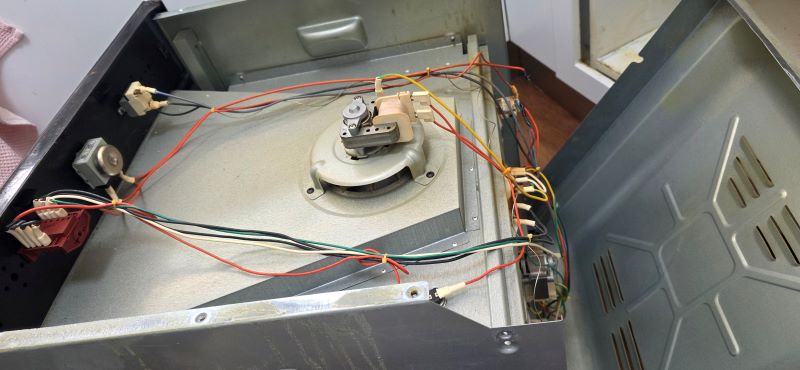
Real Oven and Cooktop Repair Examples from Our Gold Coast Blog
Our appliance repair blog contains real fault investigations across the Gold Coast. The following articles demonstrate different electrical cooking appliance problems and the components involved.
Nearby Oven and Cooktop Repair Areas
ISB Electrical provides oven and cooktop repair services in Highland Park and neighbouring Gold Coast suburbs including Nerang, Carrara, Ashmore, Molendinar, Benowa and Robina. We also service nearby residential areas such as Gilston, Worongary and Tallai.
Need Oven or Cooktop Repairs in Highland Park?
Contact ISB Electrical for professional fault diagnosis of electric ovens, ceramic cooktops, induction cooktops and electric stoves in Highland Park. Please provide the appliance brand, model number and a description of the fault where possible.
Call 0422 993 777